
Vitiligo
A common skin condition that causes loss of skin color in patches. It's not contagious, and with the right care, you can live a healthy, confident life.

What is Vitiligo?
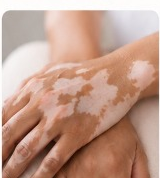
Vitiligo is a long-term skin condition that causes loss of pigmentation, resulting in white or lighter patches on the skin. It occurs when melanocytes — the cells that produce skin color (melanin) — are destroyed or stop working.
It can affect any part of the body, people of all ages, and all skin tones. While vitiligo can be noticeable, it does not affect physical health and is not contagious.
Key Takeaways
Explore More About Vitiligo
Vitiligo in Numbers
A global perspective on how common vitiligo is.
Causes & Triggers of Vitiligo
Vitiligo is an autoimmune reaction wherein the body's immune defense mistakenly destroys melanocytes (cells responsible for manufacturing natural pigment). Research highlights primary contributing factors:
Autoimmune Response
Specialized immune cells target skin melanocytes, halting melanin production and causing white patches.
Genetic Factors
Roughly 20% to 30% of patients have family history of vitiligo or autoimmune conditions.
Environmental Triggers
Severe sunburns, friction, chemical contact, skin trauma (Koebner's phenomenon), or acute emotional stress.
Common Signs & Symptoms
Depigmented Patches
Chalk-white or milky flat macules appearing bilaterally or focally, frequently starting around hands, face, mouth, and joints.
Premature Hair Whitening (Poliosis)
Early loss of color in hair follicles across the scalp, eyebrows, eyelashes, or facial beard hair.
Types of Vitiligo
Non-Segmental Vitiligo (Generalized)
White patches appear symmetrically on both sides of the body (e.g. both elbows, knees, or around eyes). It can follow intermittent flare cycles.
- Generalized: Spread across wide body regions
- Acrofacial: Hands, feet, and periorificial areas
- Mucosal: Inner lining of lips and oral mucosa
Segmental Vitiligo (Unilateral)
Localized strictly to one segment or dermatome of the body (one leg, side of face, or torso).
- Often initiates during childhood or youth
- Progresses for 1-2 years then naturally stabilizes
- Responds exceptionally well to targeted procedural therapies
Accurate Dermatological Evaluation
Our experienced dermatologists at Shanti Skin and Laser Center accurately diagnose vitiligo utilizing non-invasive diagnostic tools:
- Wood's Lamp Examination: Highlighting subtle depigmented macules with chalk-white fluorescence.
- Dermoscopy: Evaluating perifollicular pigmentation and active vs stable disease border margins.
- Thyroid & Autoimmune Profile: Routine screening for comorbid autoimmune indicators.
Treatment & Repigmentation
With contemporary advancements, pigmentation recovery is possible through tailored therapies:

Living Confidently with Vitiligo
Vitiligo is a unique part of your story — not a limitation. With the right care, support, and self-acceptance, you can continue to do everything you love.
Common Questions About Vitiligo
Is vitiligo contagious or infectious?
No. Vitiligo is completely non-contagious. It cannot spread through touch, physical proximity, sharing meals, clothing, or swimming pools. It is purely an internal autoimmune mechanism.
Does consuming fish with milk cause vitiligo?
This is a widespread cultural myth with zero scientific evidence. Dietary habits do not trigger vitiligo. A nutritious antioxidant-rich diet supports general immune health.
Can vitiligo patches regain their natural pigment?
Yes. Early dermatological intervention utilizing Narrowband UVB phototherapy, excimer lasers, topical calcineurin modulators, or surgical melanocyte grafting routinely delivers substantial repigmentation.
Why is broad-spectrum sun protection mandatory?
Depigmented vitiligo patches lack melanin, the natural protective shield against UV radiation. Applying broad-spectrum SPF 50+ sunscreen prevents sunburns and reduces high color contrast with tanned surrounding skin.
Looking for Advanced Vitiligo Treatment in Ranchi?
Consult our senior dermatologists in Hinoo, Ranchi for US-FDA approved Narrowband UVB Phototherapy, Excimer Laser, and personalized repigmentation protocols.